GARDEN WALLS & STEPS
Improve your outdoor space with professionally built garden walls and steps from TM Contractors. Our team designs and constructs strong, practical features that complement your property and landscaping.


TM Contractors designs and builds garden walls, retaining walls, boundary walls and outdoor steps for homes and commercial properties. From excavation and foundations through to brickwork, coping stones and final finishing, our team manages every stage of the project.
Garden walls can improve privacy, define boundaries and add structure to an outdoor space. They can also retain raised ground, support planting areas and create a clearer layout within the garden.
Outdoor steps provide safer and more practical access between different levels. When designed alongside paving, patios or walls, they can also create a more coordinated appearance.
During the planning stage, we consider ground levels, drainage, access, materials and the intended purpose of the structure. This careful approach helps us create a durable feature that suits the property.
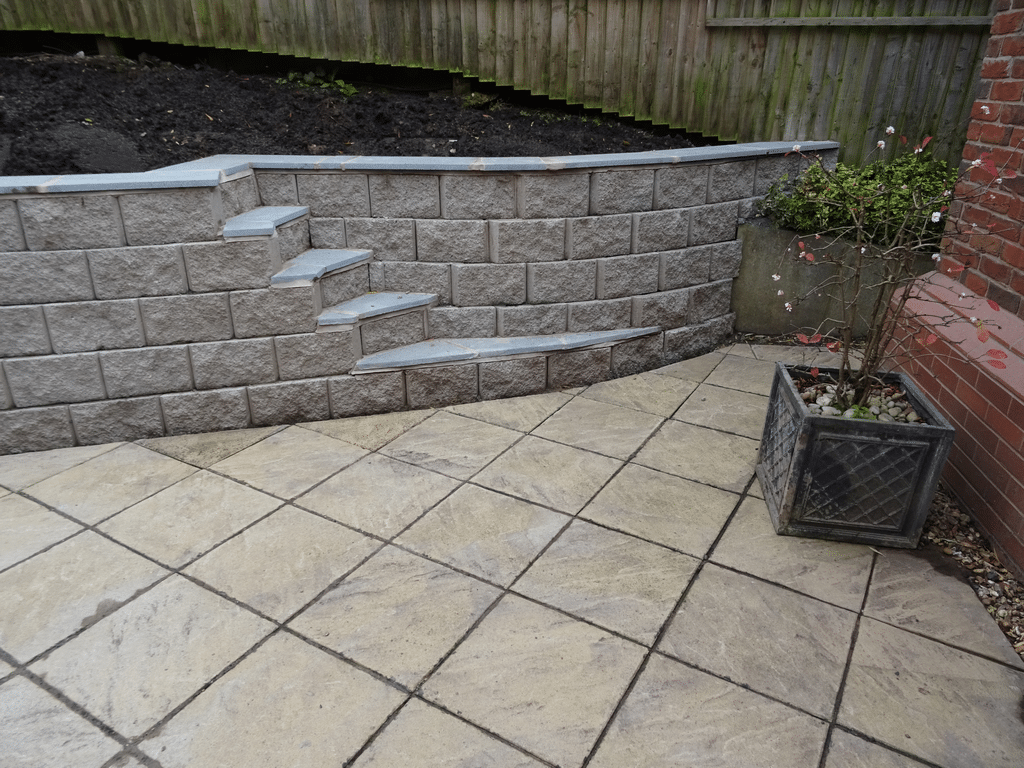
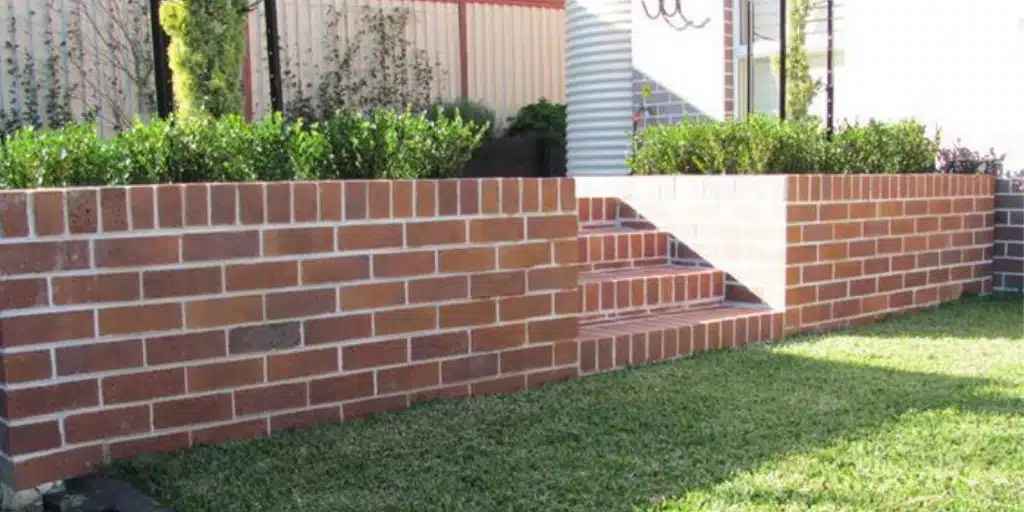
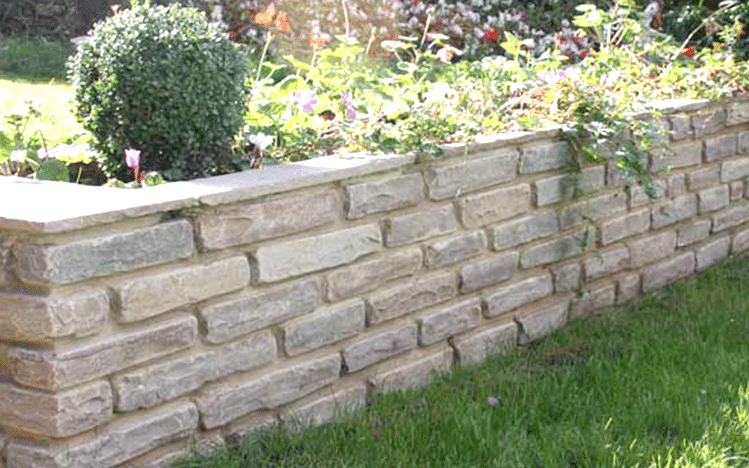
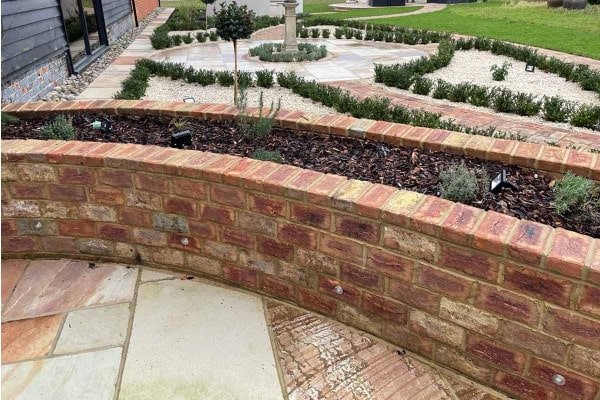
Every garden has a different layout and set of requirements. For that reason, we design each wall around the available space, ground conditions and surrounding features.
Before work begins, our team reviews existing boundaries, changes in level, nearby paving and drainage points. We also consider how the new wall will connect with paths, steps, driveways and planting areas.
The finished design may use brick, block, stone or rendered masonry. In addition, coping stones and decorative details can create a neat and weather-resistant finish.
Where a close visual match matters, we can discuss brick colours and styles that complement the existing property. This helps the new structure feel more connected with the house and wider landscaping.
A well-built wall can define the edge of a garden, driveway or commercial site. As a result, the outdoor space can feel more organised and complete.
Solid masonry can provide effective screening from neighbouring properties, roads and public areas. It may also create a more private seating or patio space.
A boundary wall can make access more difficult and create a stronger perimeter around the property. Gates and fencing may also connect with the wall to complete the entrance.
Retaining walls can hold back soil and manage changes in level. Therefore, they can help create flatter lawns, planting areas and usable garden zones.
Brick, block and stone walls can provide many years of service when built on suitable foundations. Correct drainage and finishing also help protect the structure.
Garden walls work well alongside patios, paving, fencing and planting. Consequently, they can form an important part of a complete garden redesign.
First, we discuss your ideas and inspect the proposed wall or step location. During the visit, our team measures the area, reviews access and assesses the ground conditions.
Once we understand the project, we explain the recommended materials and provide a clear quotation.
Next, we help you choose a suitable brick, block, stone or rendered finish. We can also discuss coping stones, pillars, steps and connections with nearby paving.
The final design will reflect the style of the property and the practical purpose of the structure.
Strong foundations play a major role in the stability of a garden wall. Our team excavates the area and creates a suitable footing for the height, length and intended use of the structure.
Retaining walls and taller boundary walls may need deeper or wider foundations than smaller decorative features.
Once the foundation has gained enough strength, our bricklayers begin building the wall. They maintain consistent levels, joints and alignment throughout the work.
Where required, the structure may include piers, reinforcement or additional support.
Retaining walls need suitable drainage to reduce pressure from trapped water. Therefore, the design may include drainage stone, outlets or other measures behind the wall.
Finally, coping stones or another suitable finish protect the top of the wall. Our team then completes the joints, checks the structure and leaves the work area clean and tidy.
Brick garden walls offer a traditional appearance that suits many homes. A carefully chosen brick can complement the house, driveway and surrounding landscaping.
Customers can use brickwork for boundaries, raised beds, entrance walls and decorative garden features. Piers and coping stones may also add detail and strength.
Where possible, the brick colour and texture can be selected to coordinate with the existing property. However, exact matches may not always be available for older or discontinued bricks.
During the quotation, our team can discuss suitable options and explain how the proposed brickwork will look alongside the house.
Retaining walls hold back soil where gardens have slopes or changes in level. They can create flatter lawns, raised beds, terraces and more practical outdoor areas.
The design must account for soil pressure, water and the height of the retained ground. For that reason, retaining walls often need stronger foundations and suitable drainage behind the structure.
Depending on the project, the wall may use brick, concrete block, stone or another suitable system. The visible face can also receive a decorative finish.
A properly planned retaining wall can improve both the safety and appearance of a sloping garden.
Boundary walls can define the edge of a property and improve privacy or security. They may suit front gardens, side boundaries, driveways and commercial entrances.
Entrance walls can also frame gates, pathways and vehicle access points. In addition, brick piers can support gates or create a more substantial appearance.
The height and location of a new boundary wall may affect planning requirements. Therefore, property owners should confirm any restrictions before construction begins.
TM Contractors can advise on the practical design, although the customer remains responsible for confirming permissions and boundary ownership.
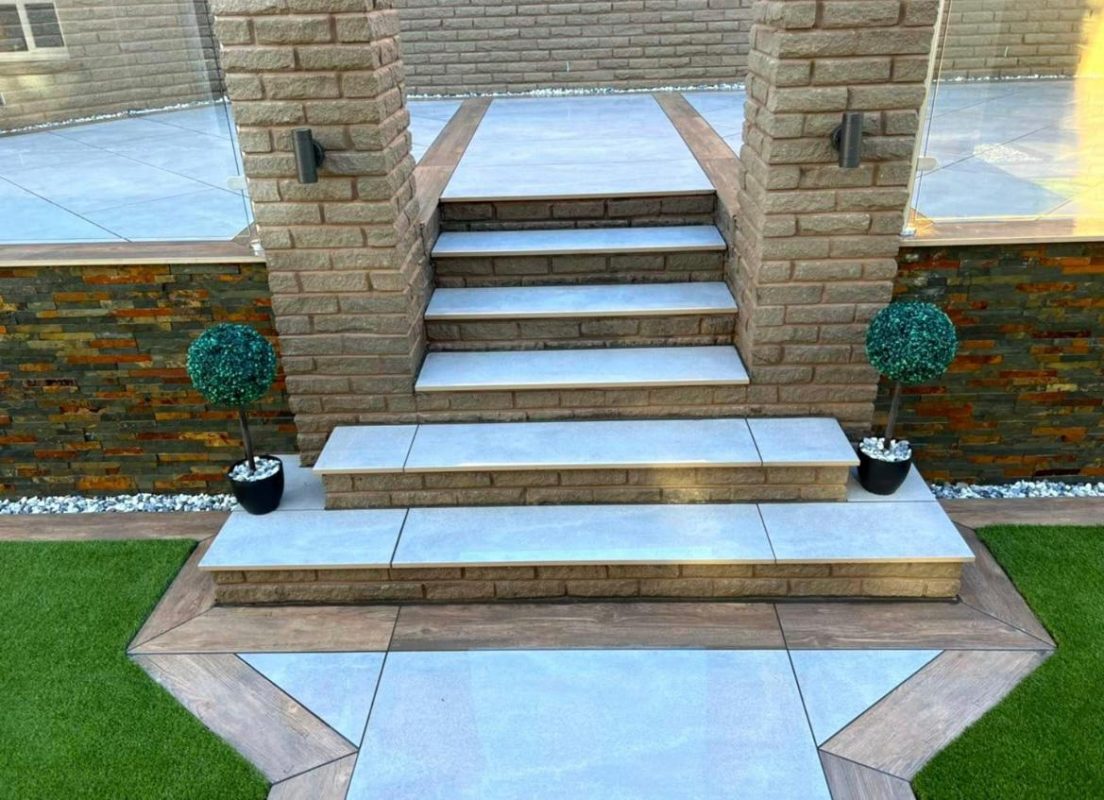
Outdoor steps can provide safe and convenient access between patios, lawns, driveways and raised garden areas. They also help organise gardens with uneven or sloping ground.
Steps may use brick, block paving, natural stone or concrete products. The best material will depend on the surrounding surfaces and desired appearance.
Correct rise, depth and width are important for comfortable use. Furthermore, secure edges and a suitable surface can help reduce the risk of slips.
Where needed, walls, handrails or balustrades can support the step design and provide additional safety.
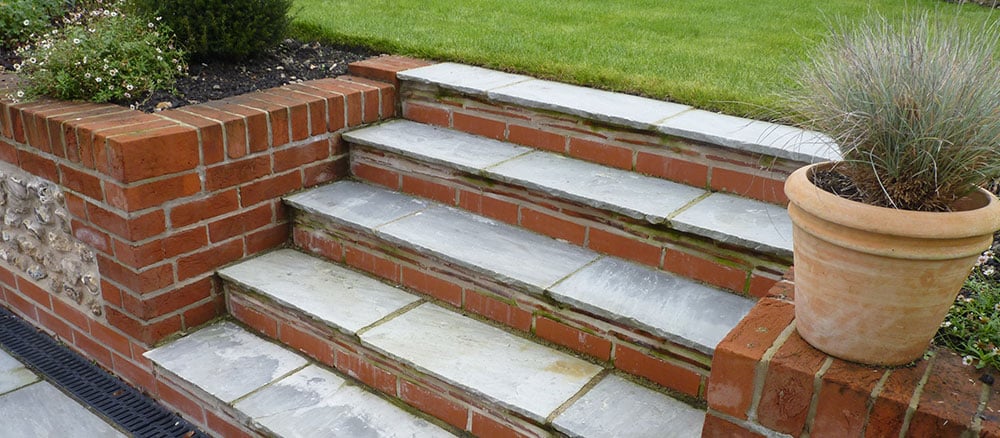
Brick steps can create a strong visual connection with brick walls and traditional properties. They work particularly well at garden entrances, raised patios and doorways.
The tread may use matching brick, paving or stone. By contrast, a different surface can add definition and improve the appearance of each step.
Strong foundations and careful setting out help keep the steps stable and comfortable to use. Our team also considers drainage to prevent water collecting around the structure.
Natural stone and paving can create attractive outdoor steps that complement patios and pathways. Customers can choose from a range of colours, textures and formats.
Large slabs often create a clean and simple appearance. Smaller paving units, meanwhile, can provide more flexibility around curved or detailed layouts.
The surface should provide suitable grip for outdoor use. Therefore, material choice and correct installation both matter.
Our team can help coordinate the step finish with nearby paving, walls and landscaping.
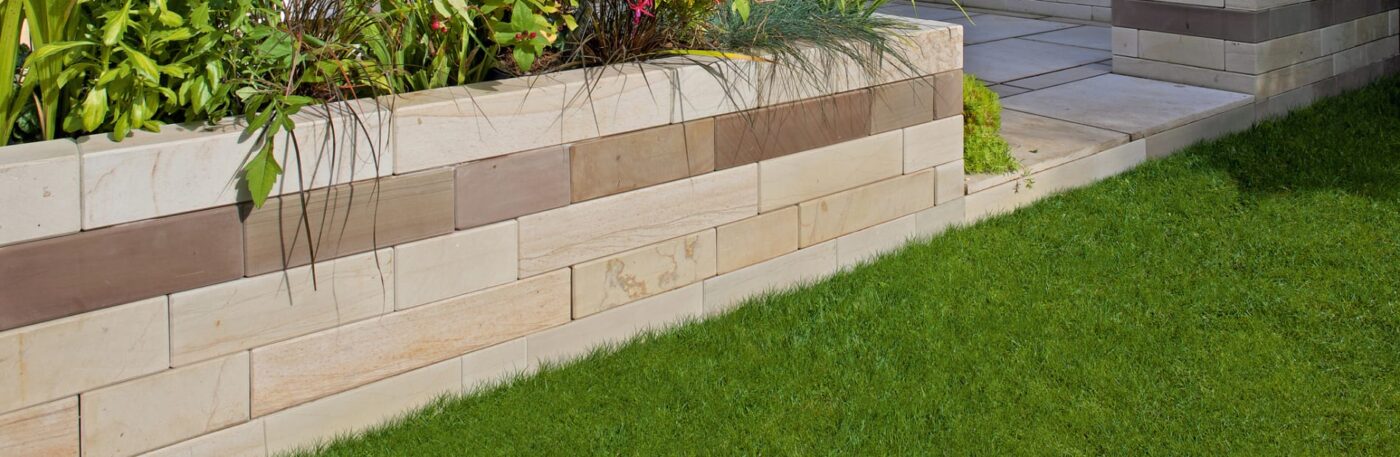
Low garden walls can form raised planting beds, seating areas and decorative boundaries. They can also help separate lawns, patios and pathways.
Raised beds make planting areas easier to define and may improve access for gardening. In addition, they can add height and structure to a flat outdoor space.
Brick, block and stone can all create effective decorative walls. Coping stones or shaped tops can then provide a more finished appearance.
Where appropriate, low walls may also incorporate seating or connect with steps and patios.
Weather, ground movement and damaged pointing can weaken garden walls over time. Early repairs may prevent a small issue from becoming more serious.
Loose bricks, cracks and leaning sections should receive prompt attention. However, widespread movement or foundation failure may make partial or complete rebuilding more practical.
During the site visit, our team can assess the wall and explain the available repair options. This advice will help you compare local repairs with full replacement.
Where possible, replacement bricks can be selected to complement the existing structure.
Water can place significant pressure on walls that retain soil. Therefore, drainage forms an important part of many retaining wall projects.
The design may include drainage aggregate, outlets or suitable gaps to allow water to escape. Ground levels and nearby paving can also affect how water moves around the structure.
Without effective drainage, trapped water may contribute to cracking, movement or staining. For that reason, we review the surrounding area before construction begins.
The right material will depend on the property, budget and intended purpose. However, durability and maintenance should also influence the final choice.
Brick often suits traditional homes and can coordinate with existing buildings. Natural stone, by contrast, may work well in landscaped or rural-style gardens.
Concrete blocks can provide a strong structural core and may receive render or another decorative finish. Paving products also offer many options for steps and coping details.
During the quotation, our team can explain the benefits of each option and help you choose a suitable combination.

Contact TM Contractors to discuss a new garden wall, retaining wall, entrance wall, raised bed or set of outdoor steps. Our team can advise you on materials, drainage, layout and finishing options.
Services cover Northampton, Corby, Kettering, Market Harborough, Wellingborough, Peterborough and nearby areas.
To request a free quotation, call us today or complete the enquiry form.
Tell us about your garden wall or steps project. Please include your location, the approximate size of the structure and the materials or finish you prefer.
The timescale depends on the wall length, height, materials and foundation requirements. A small decorative wall may take several days, while larger boundary or retaining walls will take longer. After visiting the property, we can provide a clearer estimate.
Garden walls can use brick, concrete block, natural stone or rendered masonry. The right option will depend on the required strength, appearance and budget.
We can look for bricks that closely complement the existing property. However, an exact match may not always be possible, especially where the original brick has aged or is no longer manufactured.
Yes, many retaining walls need suitable drainage behind the structure. This helps reduce pressure from trapped water and protects the wall from movement or damage.
Yes. Steps can form part of a wider wall, patio or landscaping design. Our team can coordinate the materials and layout to create a consistent finish.
In many cases, damaged bricks, joints or small sections can be repaired. However, a leaning or badly cracked wall may need partial or complete rebuilding.
Planning requirements can depend on the wall height and its position near a road or property boundary. You should also confirm ownership of the boundary before work begins. Contact the relevant local authority if you are unsure.
The best option depends on the surrounding surfaces, changes in level and preferred appearance. Brick, block paving and natural stone can all create durable outdoor steps.
Yes. Low brick, block or stone walls can create raised planting beds and help organise different parts of the garden.
Yes. Contact TM Contractors to arrange a free, no-obligation quotation for your garden wall or outdoor steps project.

TM Contractors are a property maintenance company with many years of experience in a range of areas. TM Contractors take pride in delivering the quality results which you deserve.
TM Contractors are more than happy to offer FREE, no-obligation quotes. We are here to work closely with you on any projects.
From driveways to landscaping, TM Contractors expertise spans across many fields and are on hand to cover you for all of your needs.
TM Contractors 's experience in the paving & driveway industry is second to none, we have been around for a while and seen almost everything on the job so you can be confident in hiring us!
TM Contractors cover a wide geographical area including Northampton, Corby, Kettering, Market Harborough, Wellingborough & Peterborough. Please get in touch to find out if TM Contractors cover your area.
We endeavour to always leave our customers satisfied with our high quality work and this includes causing as little disruption as is possible and leaving your property clean and tidy.
Northampton, Corby, Kettering, Market Harborough, Wellingborough & Peterborough