TURFING & ARTIFICIAL GRASS INSTALLERS
Create a fresh, practical lawn with professional turfing or artificial grass installation from TM Contractors. Our team prepares the ground and installs natural or low-maintenance lawns for gardens of all sizes.


TM Contractors installs natural turf and artificial grass for residential and commercial properties. From clearing and ground preparation through to levelling, drainage, laying and finishing, our team manages every stage of the project.
A new lawn can transform the appearance of a garden and create a practical area for children, pets, seating and everyday use. Customers can choose between the natural look and feel of fresh turf or the lower-maintenance finish of artificial grass.
Each option has different benefits, costs and care requirements. Natural turf creates a living lawn that changes through the seasons, while artificial grass provides a consistent green surface without mowing.
During the planning stage, we consider the garden layout, drainage, sunlight, ground conditions and intended use. This approach helps us recommend a suitable lawn for your property.
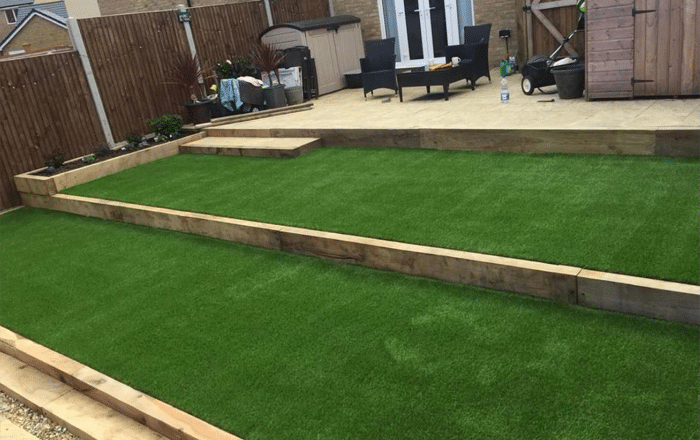

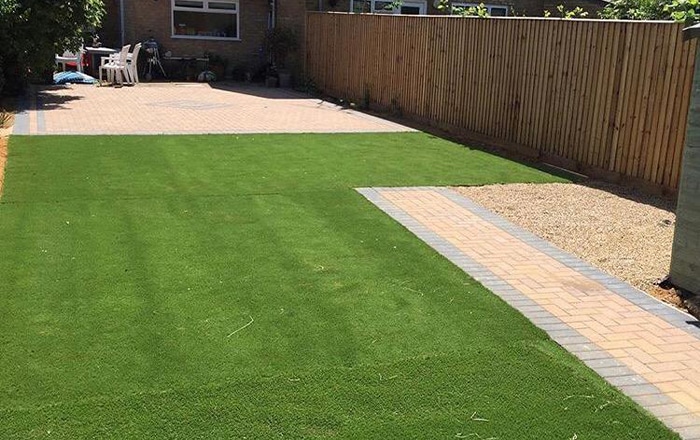
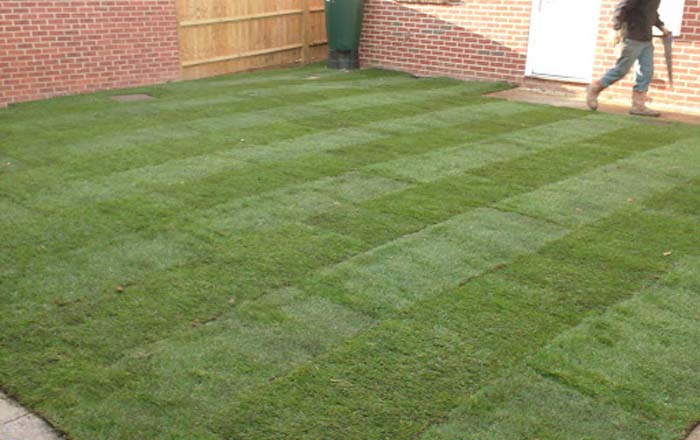
Every garden has a different layout and set of conditions. For that reason, we plan each turfing or artificial grass project around the available space and customer requirements.
Before work begins, our team reviews access, ground levels, drainage and surrounding features. We also consider how the lawn will connect with patios, pathways, fencing and planting areas.
The finished design may include curved edges, stepping stones, borders or separate play and seating zones. In addition, secure edging can create a clean transition between the grass and nearby surfaces.
Where the existing garden has poor levels or drainage, extra preparation may be required. Addressing these issues before installation helps create a stronger and more attractive result.
A fresh lawn can make an outdoor space feel cleaner, brighter and more complete. As a result, it often becomes a central part of the garden design.
Grass provides an area for children, pets, seating and outdoor activities. Therefore, it can make the garden more useful throughout the year.
A well-planned lawn can link patios, paths, planting areas and fencing. It can also soften the appearance of hard landscaping.
Customers can select the option that best suits their lifestyle. Natural turf offers a living lawn, while artificial grass reduces mowing and seasonal lawn care.
New grass can improve compact courtyards, family gardens and larger outdoor spaces. Furthermore, the layout can follow curved or detailed boundaries.
Turfing and artificial grass work well alongside patios, decking, pathways and garden walls. Consequently, they can complete a wider landscaping project.
First, we discuss your requirements and inspect the proposed lawn area. During the visit, our team measures the space, checks access and reviews the existing ground.
Once we understand the project, we explain the recommended preparation and provide a clear quotation.
Next, we discuss how you want to use the garden and how much maintenance you are comfortable with. We can then help you compare the available lawn options.
The final choice will reflect the garden conditions, budget and preferred appearance.
Where necessary, our team removes old grass, weeds, roots, stones and unsuitable material. We also clear the area so the new lawn can start from a clean base.
Good preparation plays a major role in the finished result. Therefore, we level and compact the ground while creating suitable falls for drainage.
Natural turf and artificial grass use different base systems, so the exact preparation will depend on the chosen surface.
For natural turf, our team lays fresh rolls closely together and trims them around edges and features. For artificial grass, we install the prepared base, membrane and selected grass before securing the joins and perimeter.
Finally, we check the levels, edges and overall appearance. We then explain the care required during the first days and weeks after installation.
Natural turf provides the look, texture and seasonal character of a living lawn. It can create a soft surface for families, pets and general garden use.
Fresh turf gives faster results than growing a lawn from seed. However, it still needs suitable soil preparation, regular watering and time to establish roots.
Once established, the lawn will require mowing, feeding and seasonal care. The level of maintenance will depend on weather, soil conditions and how heavily the area receives use.
A healthy natural lawn can also blend well with established planting and traditional garden designs.
Real grass provides the colour, texture and scent of a living lawn. It also changes naturally through the seasons.
Fresh turf creates a soft area for sitting, playing and walking. As a result, it often suits family gardens.
A natural lawn can balance patios, walls and paved paths. Green space may also make a smaller garden feel more open.
Healthy turf can recover from light wear when it receives suitable care. Damaged patches may also be repaired with new turf or seed.
Natural grass works well in modern, traditional and informal gardens. Edging can also create clean lines around the lawn.
Strong preparation gives new turf the best chance to establish. First, the area needs to be clear of weeds, old grass, roots and large stones.
The soil should then be cultivated, levelled and firmed. Depending on the existing ground, additional topsoil or soil improvement may be required.
Suitable levels help prevent low spots and standing water. Therefore, we review drainage before laying the turf.
Once the ground is ready, the rolls should be laid promptly so they do not dry out before installation.
New turf needs regular watering while the roots establish. During warm or dry weather, this may mean watering every day.
You should avoid heavy use during the early establishment period. Walking on soft or newly watered turf can create dips and movement.
The first mow should take place only after the grass has rooted into the soil. At that stage, use a high mower setting and remove no more than the top section of growth.
Ongoing mowing, feeding and seasonal maintenance will help keep the lawn healthy.
Artificial grass creates a consistent green surface without the need for mowing, feeding or regular watering. It can suit busy households, rental properties and gardens where natural grass struggles.
Modern products come in a range of pile heights, colours and textures. Therefore, customers can choose between neat short-pile options and softer styles designed to look more like established grass.
Good installation depends on the base beneath the surface. Our team prepares a firm, free-draining foundation before securing the artificial grass and finishing the edges.
Although artificial grass needs less maintenance than a natural lawn, routine cleaning and brushing will still help it look its best.
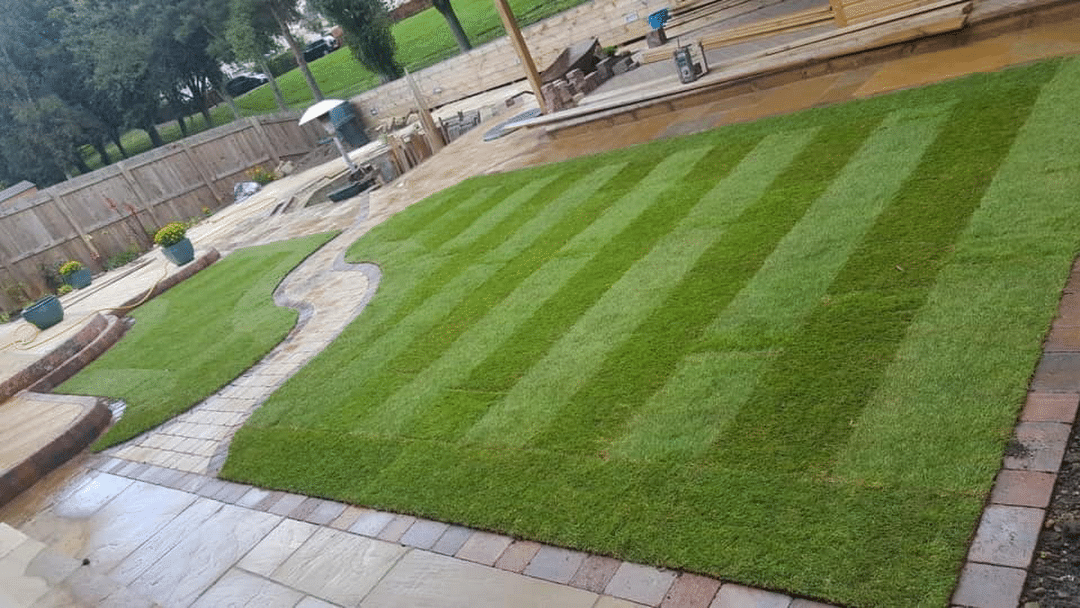
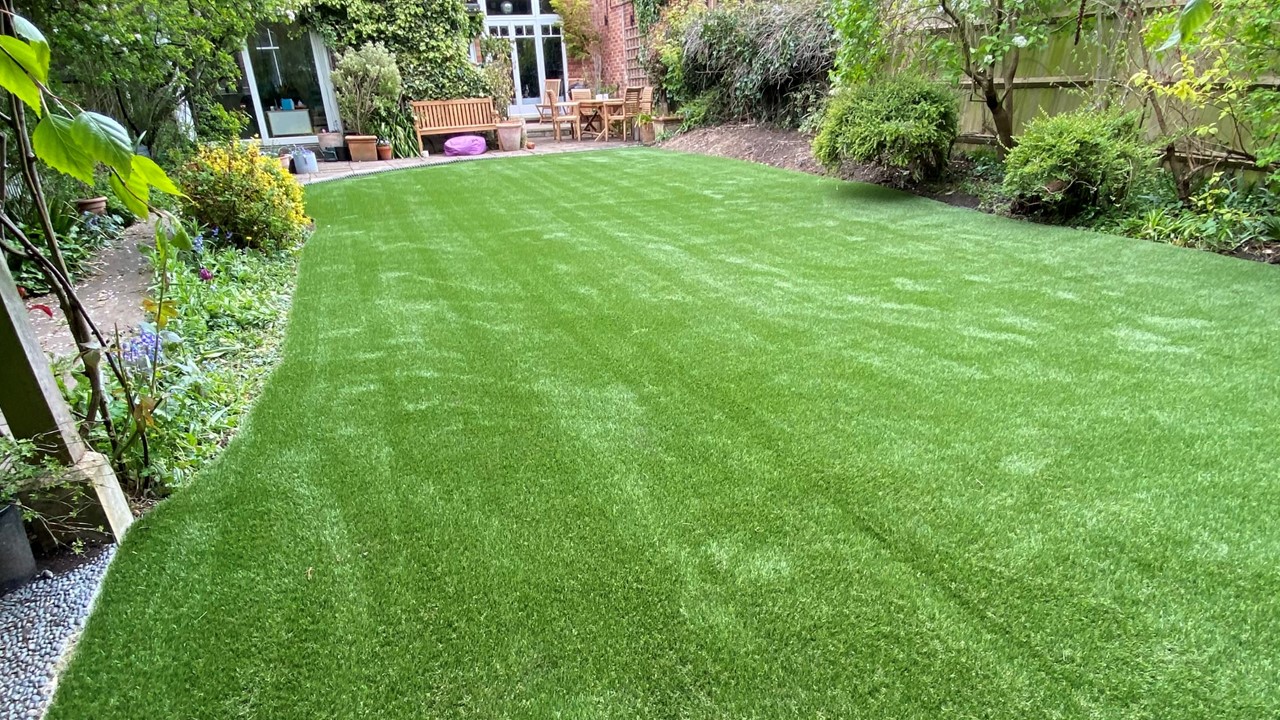
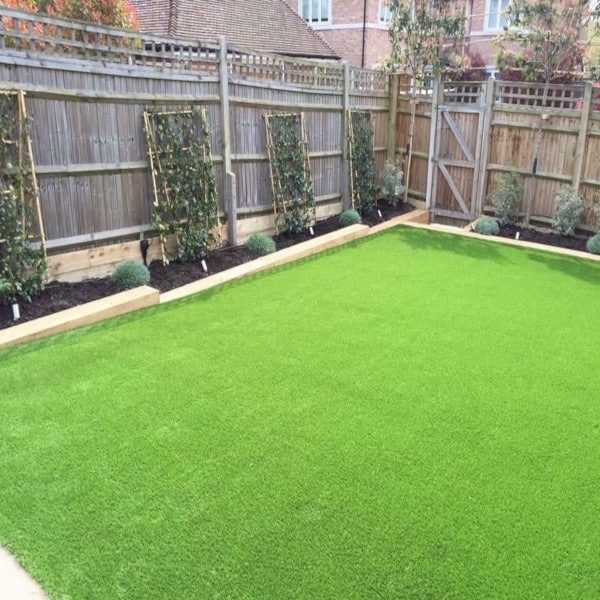

Artificial grass removes the need for regular lawn mowing. As a result, customers can spend less time on routine garden maintenance.
The surface stays green through different seasons and weather conditions. It does not develop bare patches in the same way as a heavily used natural lawn.
A correctly prepared artificial lawn can reduce muddy areas in wet weather. Therefore, it may work well for busy family gardens and pet areas.
Artificial grass does not need sunlight to grow. Consequently, it can provide a green surface in areas where natural turf struggles.
Installers can cut the grass around curves, pathways and detailed garden features. Secure edging then helps maintain a neat finish.
The lawn does not need feeding, mowing or watering for growth. However, occasional brushing and cleaning remain necessary.
The ground beneath artificial grass needs a strong and stable base. Simply laying the material over soil or an old lawn may lead to movement, poor drainage and an uneven finish.
Our team removes the existing surface and excavates the area to the required depth. We then install and compact suitable base materials.
A laying course helps create a smooth surface before the grass goes down. In addition, a suitable membrane may help control weed growth.
Secure edging keeps the finished lawn in place and provides a clean boundary around patios, paths and planting areas.
Artificial grass can create a practical play surface for children and pets. It avoids mud and does not need recovery time after regular use.
However, the selected product and base should suit the intended use. Customers with pets may need to consider drainage, cleaning and odour control more carefully.
Waste should be removed promptly, and the surface may need rinsing with water. Suitable cleaners can also help maintain hygiene.
During the quotation, our team can discuss the area and help you consider an appropriate grass style.
The right choice will depend on your priorities, garden conditions and preferred level of maintenance.
During the site visit, our team can explain the practical differences and help you choose a suitable option.
Artificial grass comes in different pile heights, blade shapes and colour blends. These details affect both the appearance and feel of the finished lawn.
Shorter pile products often create a neat and practical surface. Longer grass, by contrast, can provide a softer and more natural-looking finish.
Dense products may feel more luxurious, although they can require more brushing to keep the fibres upright. The intended use should therefore influence the final choice.
We can discuss suitable options based on the garden, expected traffic and customer preferences.
Defined edging can give a new lawn a cleaner appearance and separate it from patios, paths and planting areas.
Block paving, kerbs, timber and other suitable materials may create the boundary. The best choice will depend on the surrounding landscaping and lawn type.
Artificial grass needs secure edges to prevent movement and lifting. Natural turf also benefits from clear borders that make mowing and maintenance easier.
Curved edging can create a softer garden design, while straight lines often suit modern layouts.
Good drainage helps protect both natural and artificial lawns. Waterlogged ground can damage turf, create mud and reduce the stability of artificial grass bases.
During the site assessment, we review the existing levels and how water moves through the garden. Depending on the conditions, extra preparation or drainage measures may be required.
Artificial grass itself does not solve underlying drainage problems. Therefore, the full base system must allow water to move away effectively.
For natural turf, suitable soil preparation and levels can help reduce standing water.
Worn, uneven or weed-filled lawns can make a garden harder to use. In many cases, complete replacement provides a faster and cleaner result than repeated small repairs.
Our team can remove the existing grass, correct levels and prepare the ground for new turf or artificial grass.
Changing the layout may also provide an opportunity to add edging, paths or planting areas. As a result, the lawn can form part of a wider garden improvement.
During the quotation, we will explain the removal and disposal work included in the project.
Artificial grass requires less routine maintenance than a natural lawn, but it still needs regular care. Sweep or brush the surface to remove leaves, soil and other debris.
High-traffic areas may need brushing to lift flattened fibres. In addition, stains and pet waste should receive prompt attention.
Rinsing the surface can remove dust and help keep pet areas clean. Always use products that are suitable for artificial grass.
Nearby weeds and overhanging plants should also be controlled to prevent debris from building up on the lawn.
A natural lawn needs regular mowing during the growing season. Adjust the mowing frequency and cutting height according to the weather and grass growth.
Feeding can support healthy colour and growth, while aeration may improve compacted soil. Scarifying can also help remove excess thatch and moss.
During dry weather, established lawns may need watering. However, deep and less frequent watering often encourages stronger roots than light daily watering.
Bare or damaged areas can usually be repaired with seed or replacement turf.
A new lawn can form the centre of a wider garden transformation. It may connect with patios, decking, pathways, fencing and raised beds.
Planning the full garden together helps create consistent levels and clear boundaries. It also allows drainage and access to work across the whole space.
Our team can manage the work from clearance and ground preparation through to lawn installation and final landscaping.
Whether you want a traditional grass garden or a lower-maintenance outdoor space, we can tailor the project to your property.
Contact TM Contractors to discuss a new natural lawn, artificial grass installation or complete garden transformation. Our team can advise you on preparation, drainage, edging and suitable grass options.
Services cover Northampton, Corby, Kettering, Market Harborough, Wellingborough, Peterborough and nearby areas.
To request a free quotation, call us today or complete the enquiry form.
Tell us about your lawn project. Please include your location, the approximate size of the area and whether you prefer natural turf or artificial grass.
The timescale depends on the lawn size, access, ground conditions and preparation required. A smaller garden may take several days, while larger or more complex projects will take longer. After visiting the property, we can provide a clearer estimate.
Both options have advantages. Natural turf provides the look and feel of real grass, while artificial grass reduces mowing and regular lawn care. The right choice depends on your garden and lifestyle.
New turf needs time to establish roots before it receives heavy use. Light access may be possible sooner, but children, pets and garden furniture should usually stay off the lawn until it has rooted properly.
Fresh turf needs regular watering during the establishment period. In warm or dry weather, daily watering may be necessary. The soil beneath the turf should remain moist without becoming waterlogged.
Artificial grass should not simply be laid directly over untreated soil. The area needs excavation, a stable base, suitable levelling and secure edging to produce a strong finish.
Yes, artificial grass can suit homes with pets. However, good drainage and regular cleaning remain important. Pet waste should be removed promptly, and the area may need rinsing.
Artificial grass needs less care than natural turf, but it is not maintenance-free. Regular brushing, debris removal and occasional washing will help maintain the surface.
A correctly prepared artificial lawn can reduce mud at the surface. However, the base must also address existing drainage and ground stability problems.
Yes. Our team can remove an old or damaged lawn, correct the ground levels and install either fresh turf or artificial grass.
Yes. Contact TM Contractors to arrange a free, no-obligation quotation for your new lawn project.

TM Contractors are a property maintenance company with many years of experience in a range of areas. TM Contractors take pride in delivering the quality results which you deserve.
TM Contractors are more than happy to offer FREE, no-obligation quotes. We are here to work closely with you on any projects.
From driveways to landscaping, TM Contractors expertise spans across many fields and are on hand to cover you for all of your needs.
TM Contractors 's experience in the paving & driveway industry is second to none, we have been around for a while and seen almost everything on the job so you can be confident in hiring us!
TM Contractors cover a wide geographical area including Northampton, Corby, Kettering, Market Harborough, Wellingborough & Peterborough. Please get in touch to find out if TM Contractors cover your area.
We endeavour to always leave our customers satisfied with our high quality work and this includes causing as little disruption as is possible and leaving your property clean and tidy.
Northampton, Corby, Kettering, Market Harborough, Wellingborough & Peterborough